

Introduction
Three Programmes, One Approved Portfolio
The Caribbean invented citizenship by investment. St. Kitts & Nevis opened the first programme in 1984 and Dominica followed in 1993, which is why these passports are recognised at borders and by banks in a way newer programmes are not. Each island runs its own legislation, its own thresholds and its own list of approved developments.
Multi Mulk works only with government-approved projects — among them Six Senses La Sagesse and InterContinental Grenada – La Sagesse, the InterContinental Dominica Cabrits Resort & Spa, and Park Hyatt St. Kitts. A single investment carries both a share in a branded resort asset and a second passport for the family. Grenada is worth singling out: it is the only Caribbean programme holding a treaty with the United States.
- US$200,000
- Minimum Real Estate InvestmentSet in law.
- 3–6months
- Processing TimeEstimated — subject to government processing and to the circumstances of each applicant. Not a guarantee.
- 140+destinations
- Visa-Free DestinationsIndicative. Confirm the figure for your own circumstances.
- 5years
- Holding PeriodSet in law.
Last reviewed 2 September 2026 · Reviewed by Multi Mulk Advisory Team
Sources: Programme legislation, per island (retrieved 2 Sept 2026), Henley Passport Index (retrieved 2 Sept 2026)
Programme Benefits
Your Legacy, Upgraded
A Caribbean passport is a hedge and an asset at once — mobility that does not depend on any single government, held alongside a share of a resort that continues to trade.
- 01
Citizenship for Life, Across Generations
Caribbean citizenship is granted for life and passes to your descendants. Depending on the island, one application can cover your spouse, your children, and dependent parents or grandparents — which makes it a legacy asset rather than a travel document.
- 02
Access to 140+ Destinations
These passports carry visa-free or visa-on-arrival access to more than 140 destinations, including the Schengen Area, the United Kingdom, Singapore and Hong Kong. Grenada adds a treaty with the United States, the only Caribbean programme to hold one.
- 03
Ownership in Branded Resorts
The approved developments are not shell projects. They are operated by Six Senses, InterContinental and Park Hyatt, which means an asset with rental performance, a resale market, and a name recognised well beyond the island it stands on.
- 04
The Longest-Established Programmes
St. Kitts & Nevis has run its programme since 1984 and Dominica since 1993. Four decades of legislation, international scrutiny and independent due diligence firms are why these passports still clear checks that newer programmes struggle with.
Gallery
Islands, and What Was Built on Them
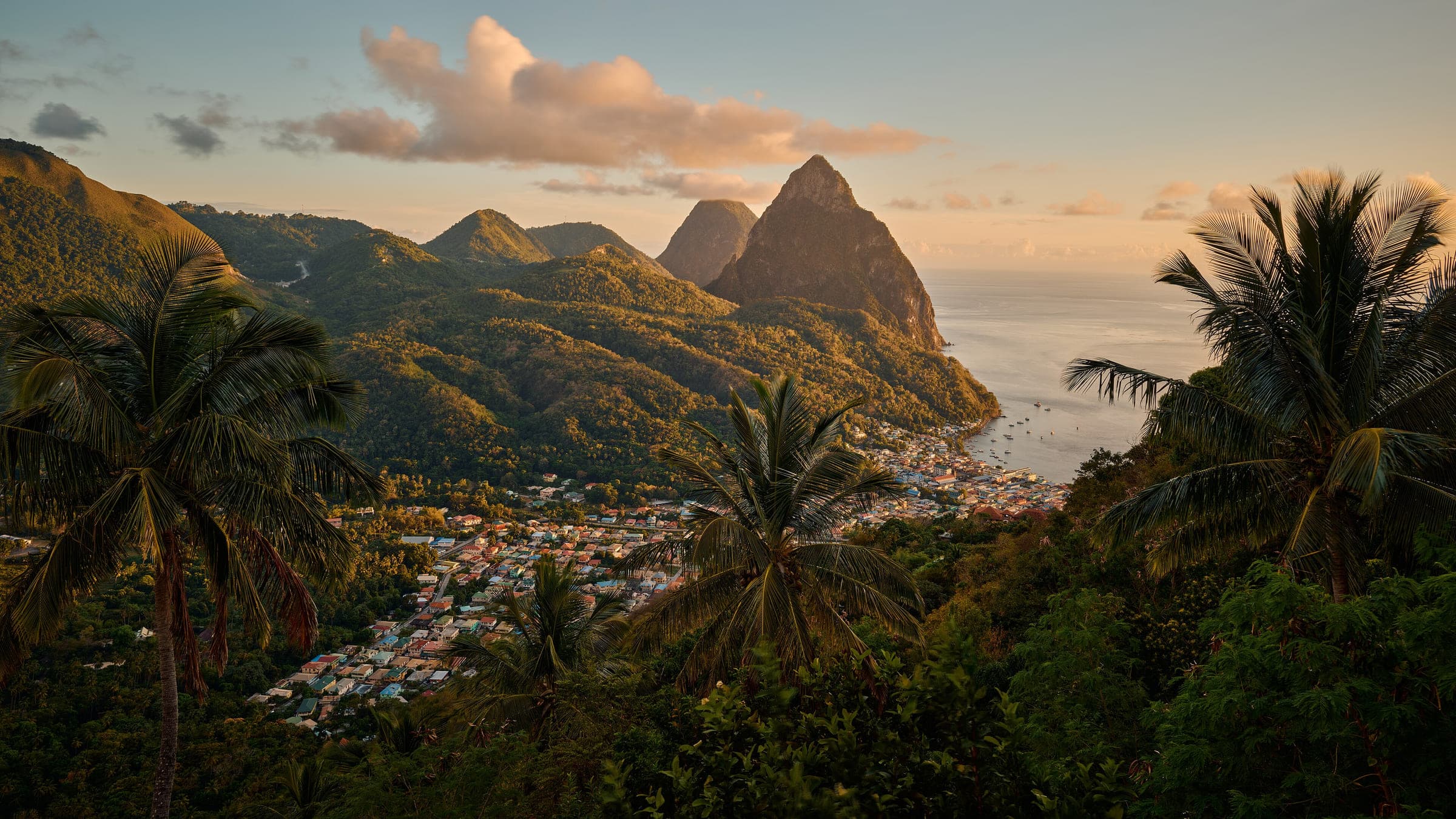
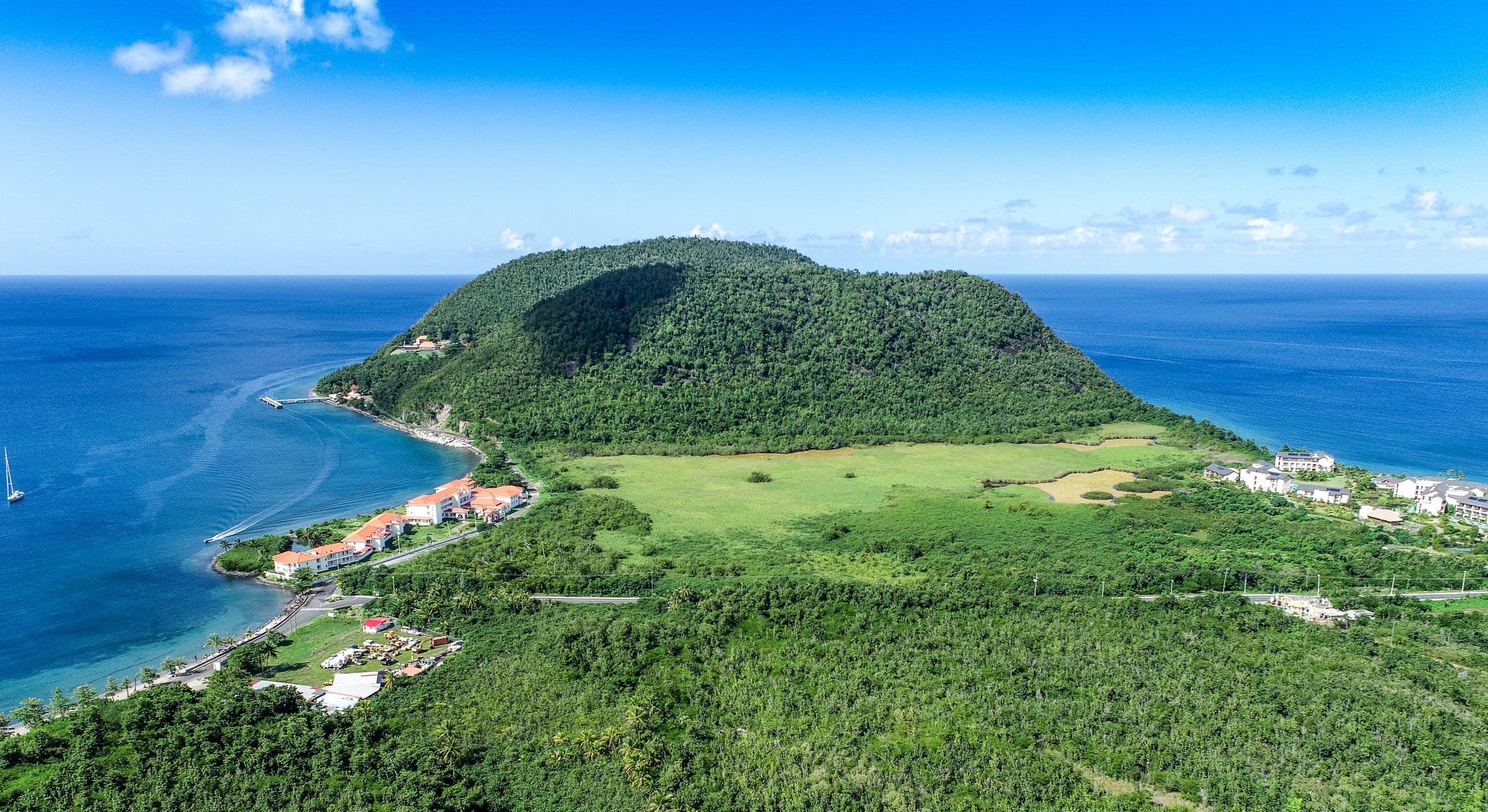
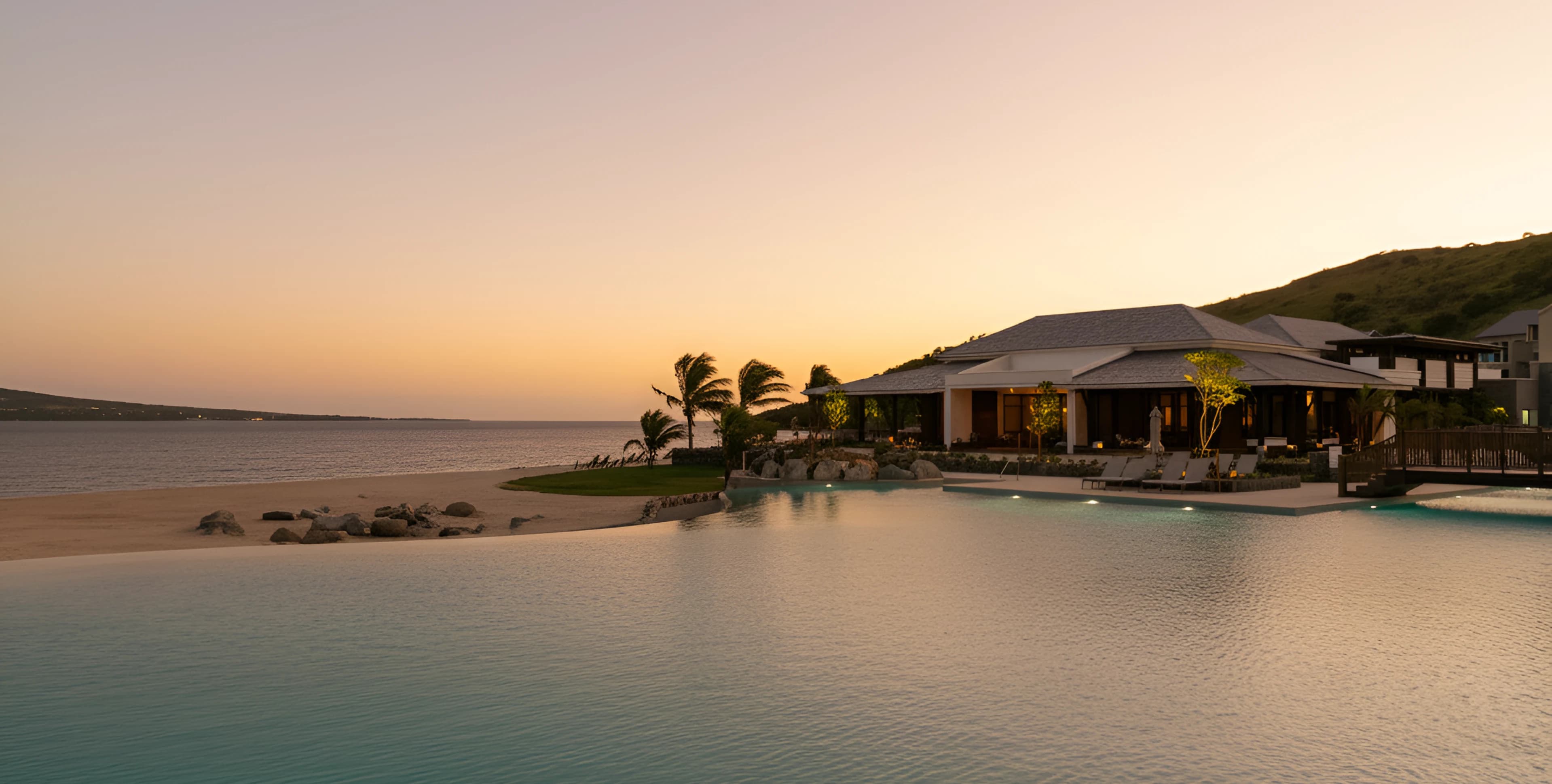
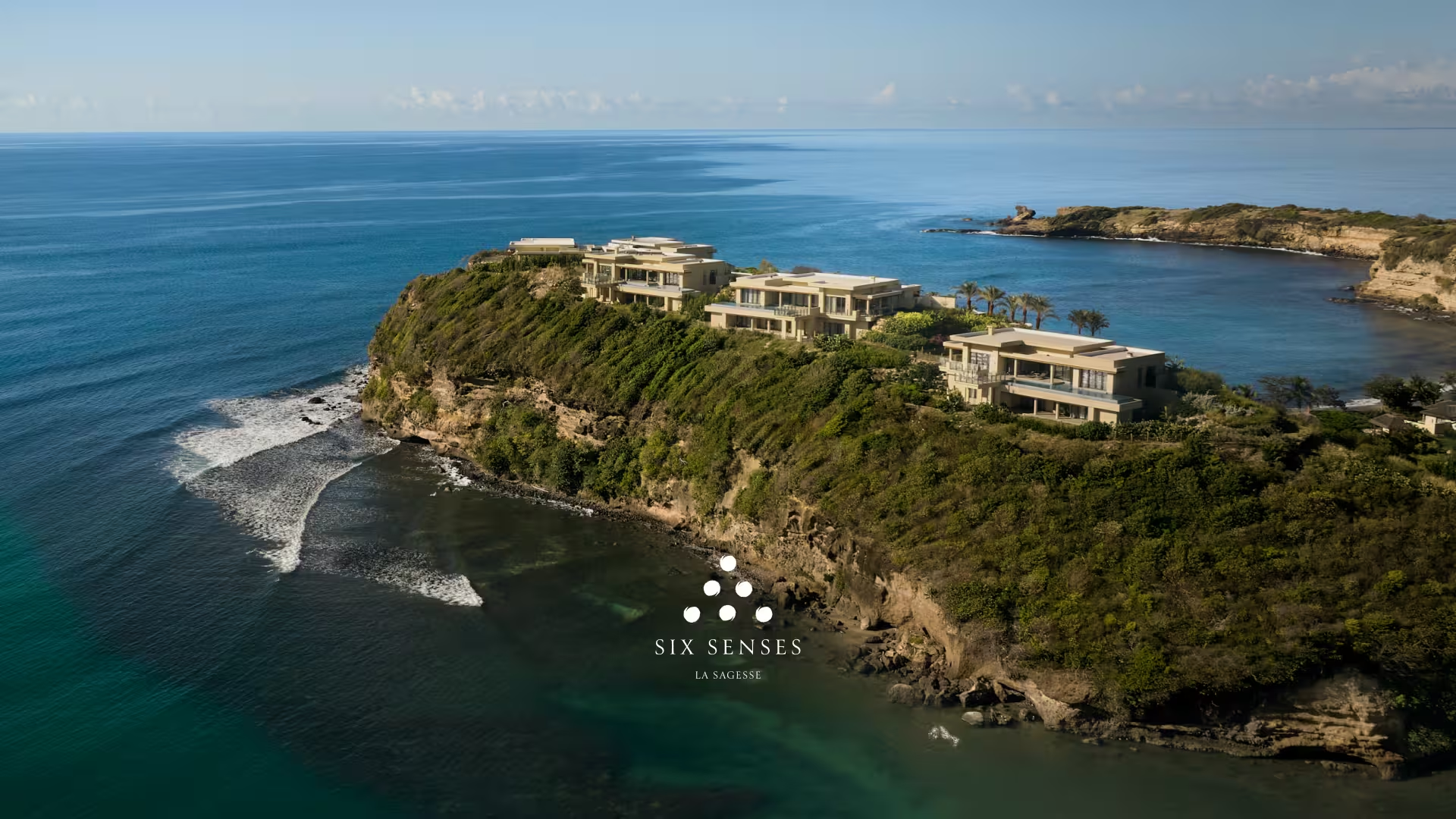
La Sagesse Bay in Grenada, Cabrits in Dominica, Christophe Harbour in St. Kitts — the approved developments, as they stand.
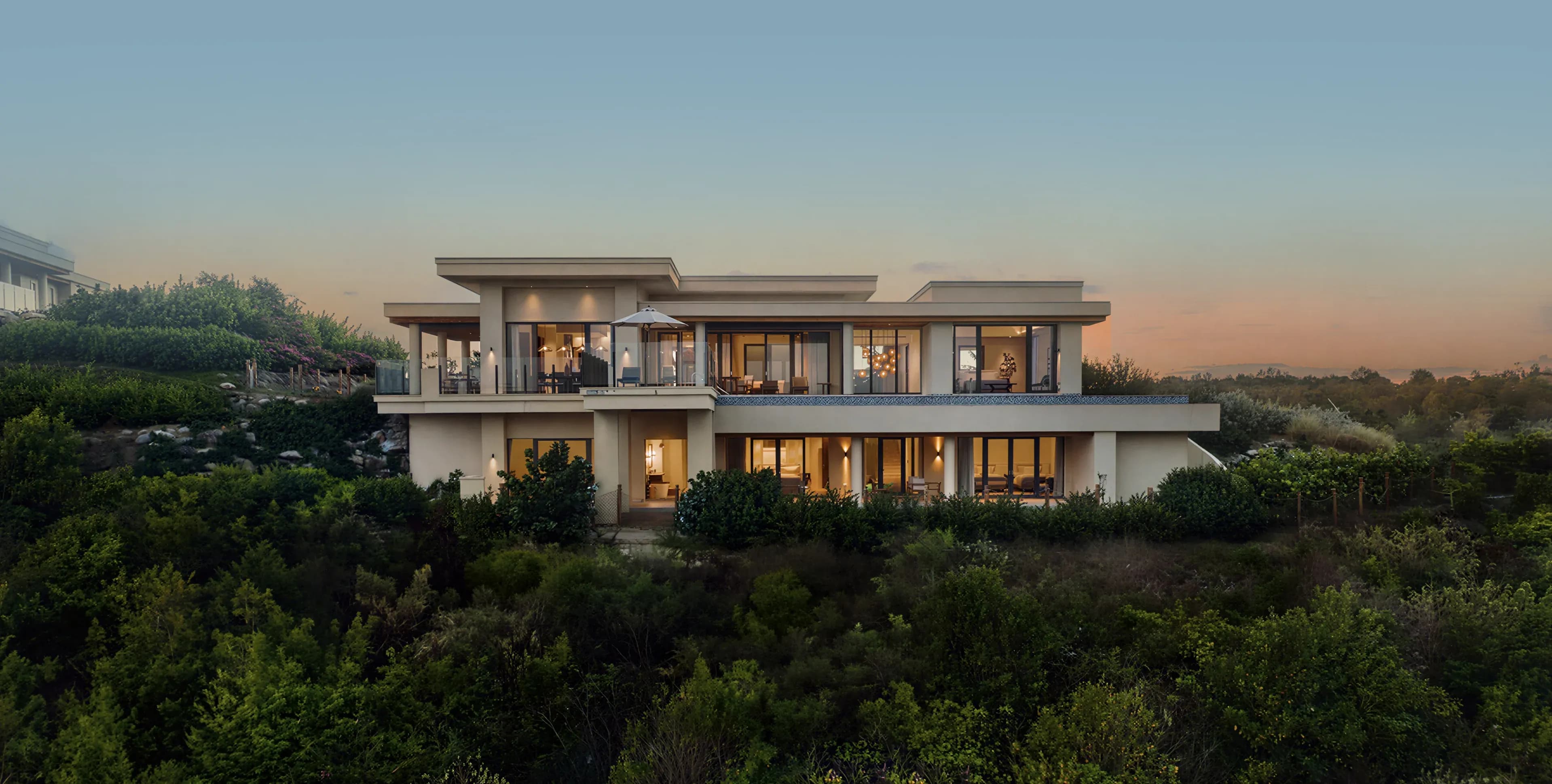
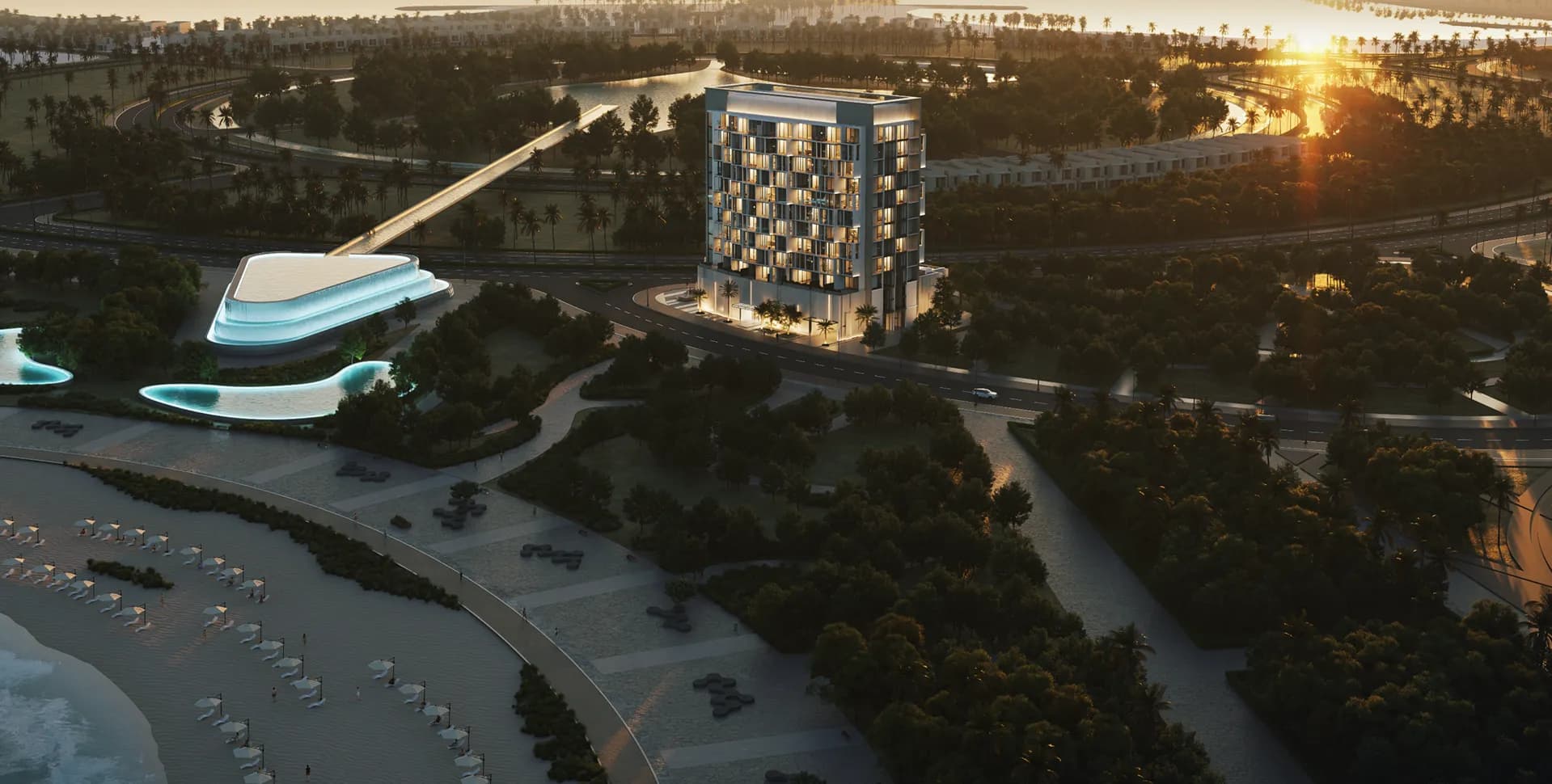
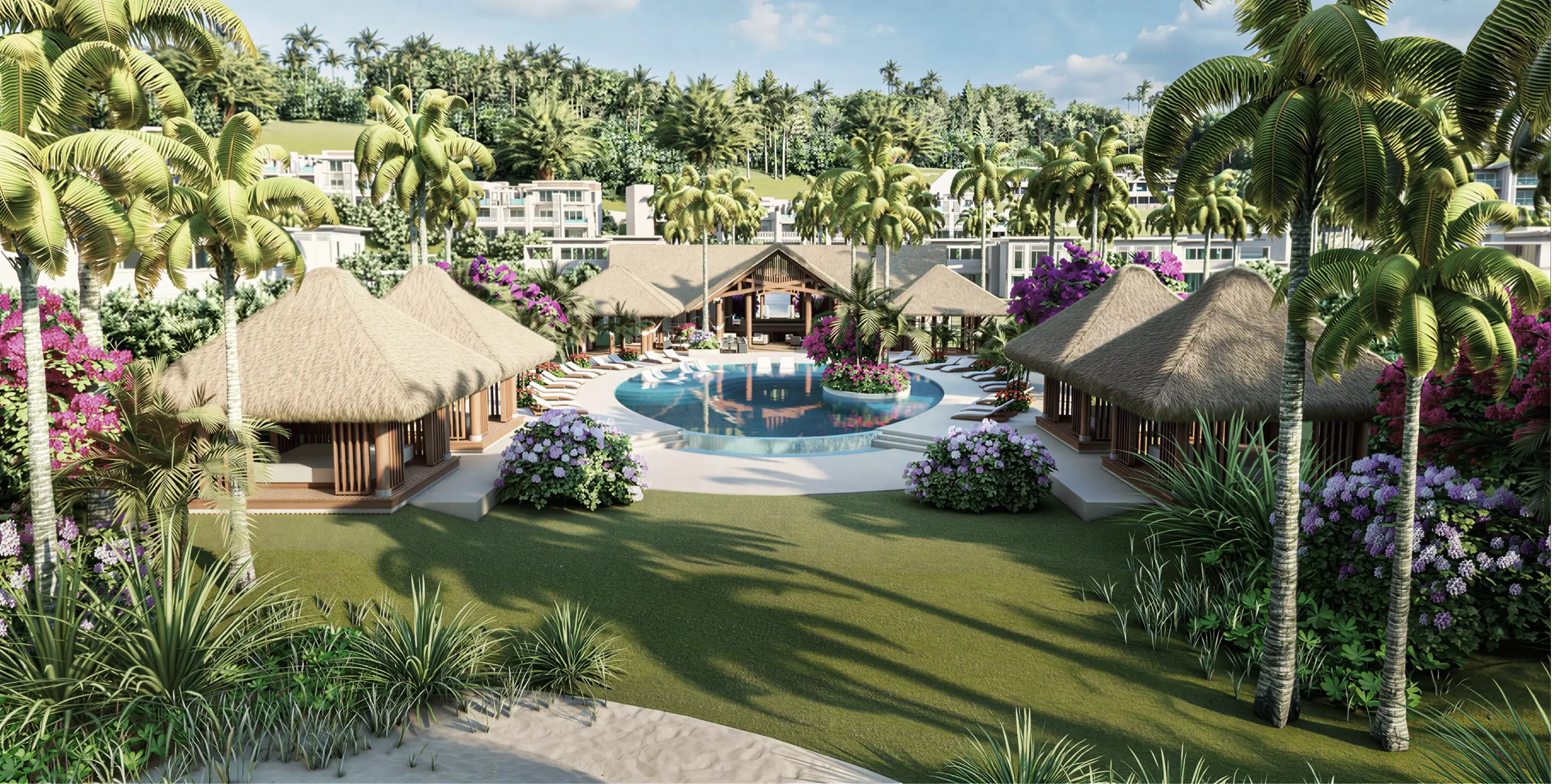
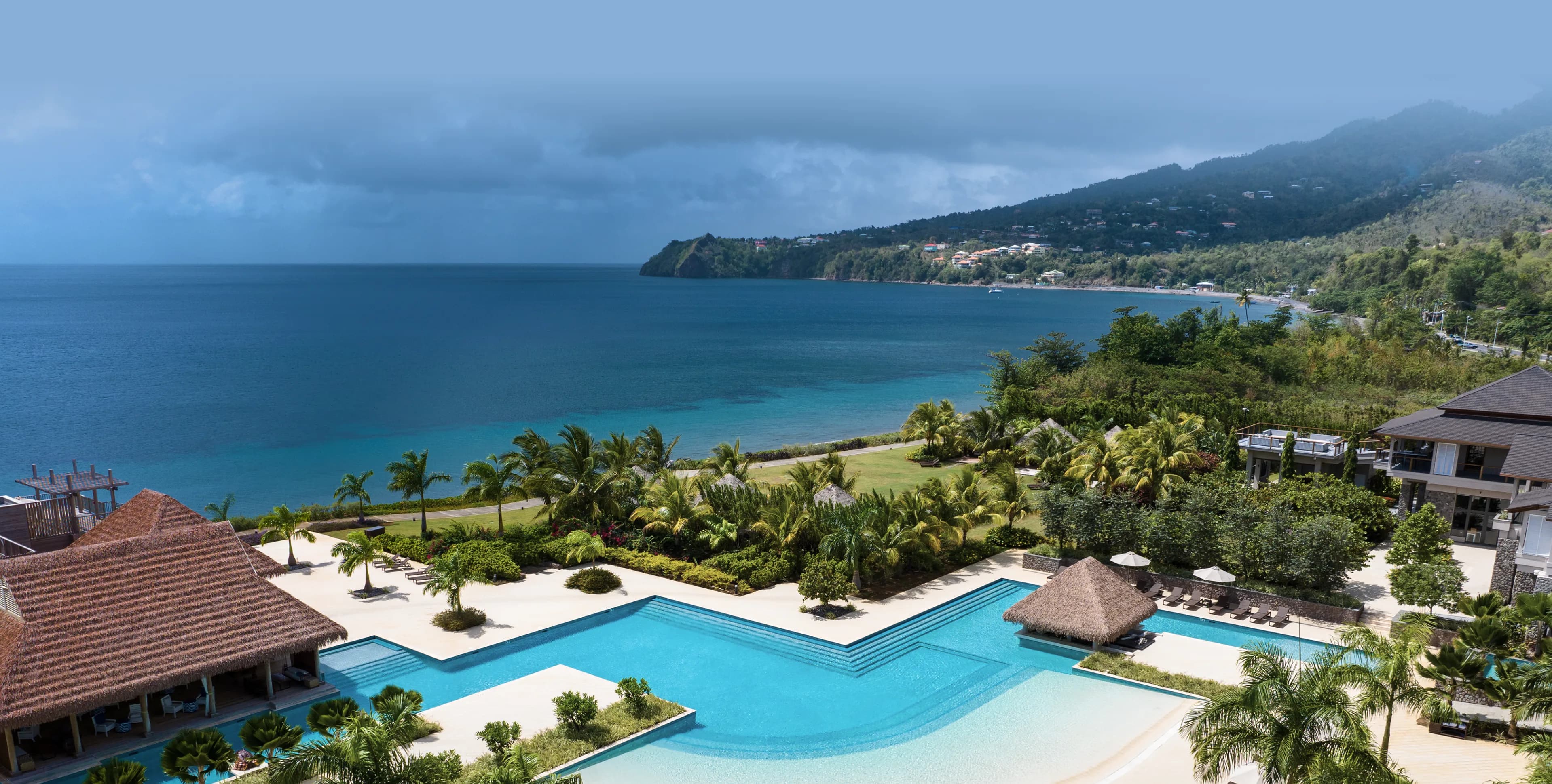
A Signature CBI Investment Across Three Islands
The approved developments here are operated by Six Senses, InterContinental and Park Hyatt — names that carry a rental market and a resale market with them. Grenada, Dominica and St. Kitts each run their own legislation and their own thresholds, so the first question is never which unit but which island, and we work that out before showing you anything.
Enquire About Caribbean CBIGovernment-Approved Developments
Each development below is approved under its island’s programme. Thresholds and unit availability differ by project and change with legislation, so we confirm both in writing before any commitment is made.
Grenada · La Sagesse Bay
The La Sagesse Collection Residences
94 premier Apartments
Grenada · La Sagesse Bay
InterContinental Grenada - La Sagesse
120 rooms including 30 private suites
Grenada · La Sagesse Bay
Six Senses La Sagesse
56 pool suites with 15 pool villas
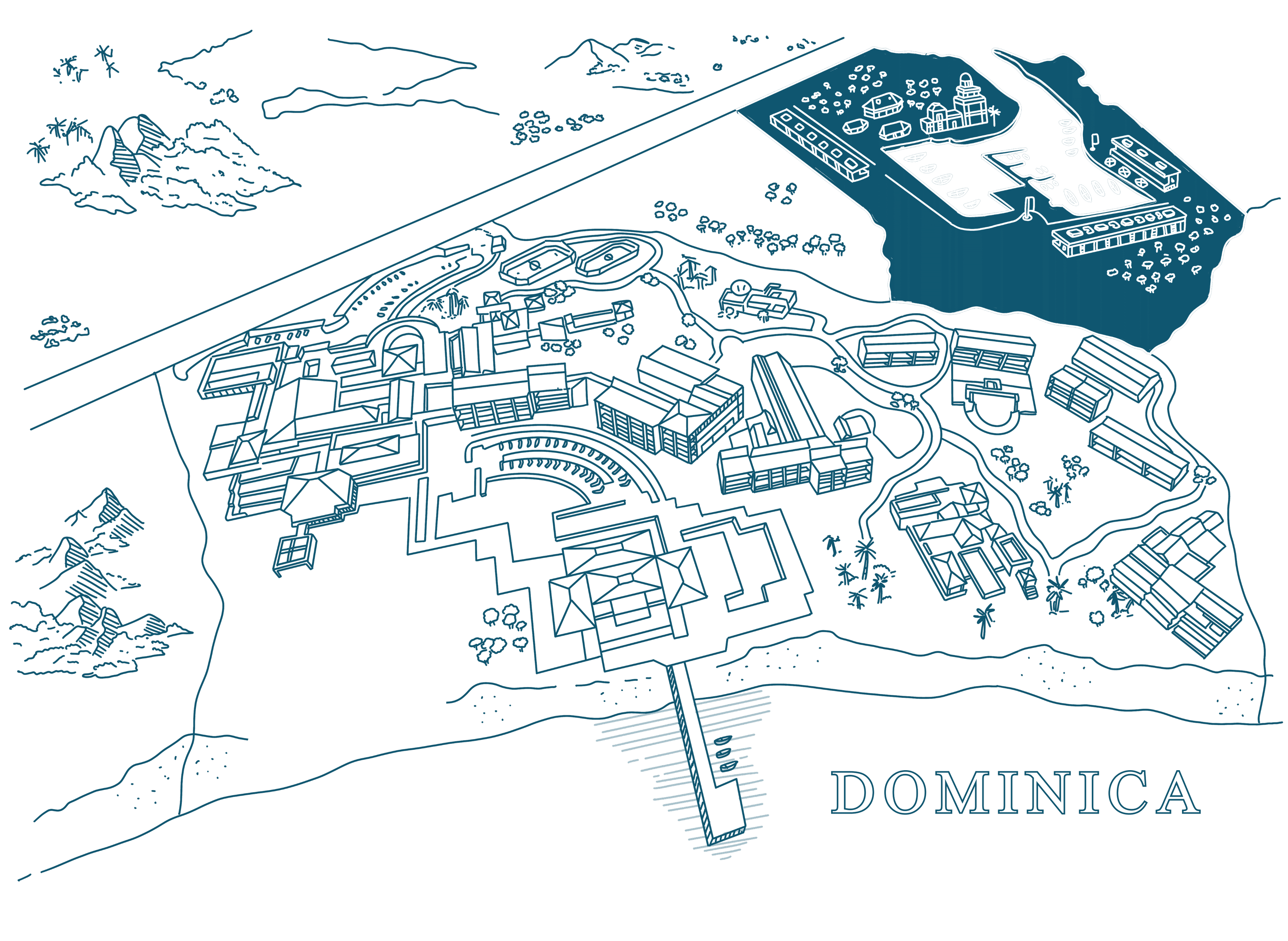
Dominica · Cabrits National Park
InterContinental Dominica Cabrits Resort & Spa
151 Guest Rooms & 10 Private Suites
Dominica · Portsmouth
Port Cabrits Marina
150-berth superyacht facility
St. Kitts & Nevis · Christophe Harbour
Park Hyatt St. Kitts
126 rooms and an exclusive yacht marina
How It Works
From First Conversation to Passport
Five stages, handled by one team. No island requires you to travel, and most families complete the route in three to six months.
- 01
Consultation
Grenada, Dominica and St. Kitts differ on thresholds, on who counts as a dependant, and on what the passport opens. We work out which of the three actually fits your family before looking at a single property.
- 02
Project Selection
We shortlist units within the government-approved developments on your chosen island, and set out what each one means for rental performance and eventual resale — not only for eligibility.
- 03
Reservation and Escrow
Funds are placed with the appointed escrow agent rather than paid to the developer directly, and released against construction milestones. Your purchase agreement can be signed under power of attorney if you would rather not travel.
- 04
Application and Due Diligence
An authorised agent files the application with the island’s citizenship unit. Independent international firms then run the background and source-of-funds checks, and this is the stage that sets the timeline.
- 05
Approval and Passport
On approval you take the oath — remotely, at an embassy, or on the island — and passports are issued for everyone named on the application. The resort share stays yours, and can be sold once the holding period ends.
Industry Overview
The Investment Migration Industry
Citizenship by investment is not a recent idea. The first programme opened in 1984, and four decades of legislation, scrutiny and reform have made it an established asset class rather than a curiosity.
- $21.4B
- Global market value
- 23%
- Annual growth
Programmes, in the order they opened
About Multi Mulk
Your Partner for a Second Citizenship
Multi Mulk brings property specialists, citizenship advisors and legal counsel together under one roof, across offices in Türkiye, the UAE and Pakistan. We represent the developments ourselves rather than broker them at a distance, which is why we can be specific about what a residence is worth, what a programme requires, and when neither one fits. Every figure we quote is confirmed in writing before you commit to anything.
Learn More About UsFrequently Asked Questions
Grenada, Dominica and St. Kitts & Nevis each run a programme, written into their own law, granting citizenship to foreign nationals who make an approved economic contribution — either a donation to a national fund or an investment in a government-approved real estate project. St. Kitts opened the first such programme in 1984, making these the oldest and most heavily scrutinised routes in the industry.
Every island offers two routes: a non-refundable donation to a national development fund, which is cheaper but returns nothing, and an investment in an approved real estate project starting from around USD 200,000. The real estate route costs more up front and leaves you with an asset that can be sold after the holding period. Multi Mulk works on the real estate route.
Three to six months in a typical file, from application to passport. The due diligence stage sets the pace rather than the paperwork, which is why we assemble source-of-funds documentation before filing rather than in response to a query.
Your spouse and dependent children are covered on every island, and depending on the programme you may also include dependent parents or grandparents, and unmarried dependent siblings. The rules differ between Grenada, Dominica and St. Kitts, and this is often what decides which programme a family should choose.
No. None of the three programmes requires residence, a minimum stay, an interview or a language test, and the process can be completed remotely. Grenada requires no visit at all; the others can administer the oath at an embassy or consulate.
Visa-free or visa-on-arrival access to more than 140 destinations including the Schengen Area, the United Kingdom, Singapore and Hong Kong; lifetime citizenship that passes to your descendants; and no tax on worldwide income, capital gains or inheritance in any of the three countries. Grenada additionally qualifies holders for the United States E-2 investor visa.
Each government commissions independent international due diligence firms to verify identity, criminal record, sanctions exposure and source of funds, alongside its own citizenship unit review. The standard has tightened considerably under pressure from the European Union and the United States, and applications are refused. We assess a file honestly before you spend anything on it.
Yes, once the holding period ends — typically five years, though it varies by island and by whether your buyer is themselves applying for citizenship. Many approved developments also pay rental returns during the holding period. Selling has no effect on your citizenship, which is granted for life.
Secure Global Mobility Through the Caribbean CBI Programmes
Tell us what you are trying to achieve and we will come back with the island that fits, the developments approved under it, and a realistic timeline.
- info@multimulk.com
- Address
- UAE Grosvenor Business Tower, Office 1909, Al Thanyah First, Barsha Heights, Dubai
- Türkiye Burc Plaza, Gökevler Mah. 2312 Sk. Blok No:18J, Kat:5, Ofis No:48-49, Beykent / Istanbul
- Pakistan 13 Sher Shah Block, Garden Town, Lahore, Pakistan
Your Next Step Starts Here
Speak to our team about eligibility, timelines and the residences that qualify. We will tell you plainly whether the programme fits what you are trying to achieve.
Enquire Now